
Subscribe and receive email notifications of new blog posts.
 RSS Feed
14
Hold On To Your Hat!
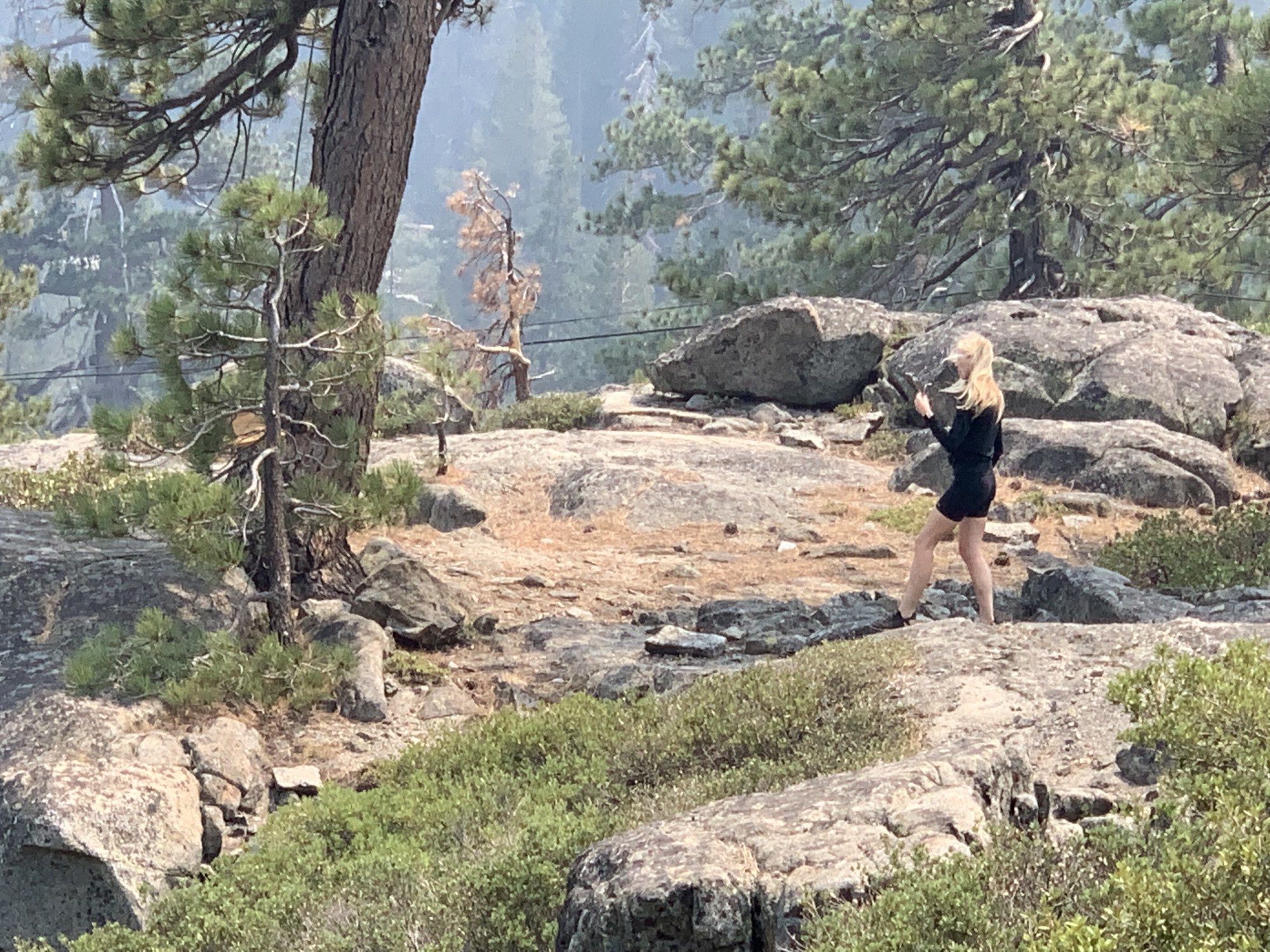
Downslope winds in the Sierra Nevada mountains are meteorological phenomena that greatly influence the region's weather patterns and local ecosystems. These winds often occur when air descends rapidly down the eastern slopes of the Sierra Nevada range. As the air moves from higher elevations to lower elevations, it compresses and warms due to adiabatic heating, which leads to significant temperature increases over short distances.
One of the most notable downslope winds in this region is the "Tahoe Gap Wind," which occurs around Lake Tahoe. During periods of high pressure and clear skies, cool air from the Sierra Nevada's western slopes accelerates downslope, funneling through gaps in the mountain range. This wind can be strong and gusty, affecting local weather conditions by quickly drying out vegetation and increasing wildfire risk.
Mark Twain once described Tahoe winds as: "A Washoe wind is by no means a trifling matter. It blows flimsy houses down, lifts shingle roofs occasionally, rolls up tin ones like sheet music, now and then blows a stage-coach over and spills the passengers; and tradition says the reason there are so many bald people there is, that the wind blows the hair off their heads while they are looking skyward after their hats."
Another prominent downslope wind is the "Mono Winds" or "Mono Jet," named after Mono Lake in eastern California. These winds develop when high-pressure systems over the Great Basin area cause air to rush down the western slopes of the Sierra Nevada. The Mono Winds are particularly known for their dryness and ability to rapidly spread wildfires, posing significant challenges to firefighting efforts in the region.
There is a sizable ecological impact of downslope winds. They contribute to the aridity of the eastern Sierra slopes, creating a rain shadow effect that results in desert-like conditions in areas such as the Owens Valley. These winds also influence the distribution of plant and animal species, as well as the local climate, affecting everything from agriculture to recreation.
Downslope winds in the Sierra Nevada are a powerful force shaping both the physical environment and human activities in the region. Understanding their behavior is crucial for managing natural resources, mitigating wildfire risks, and appreciating the unique weather dynamics of this iconic mountain range.
It seems as if the Sierra mountains also enjoy creating regular winds. Like clock-work, Washoe Zephyr winds blow across Lake Tahoe every afternoon in June, July, and August. Mark Twain had something to say about that, too. "For it was two o'clock now, and according to custom the daily Washoe Zephyr set in….it is a pretty regular wind in the summertime. Its office-hours are from two in the afternoon, and anybody venturing abroad needs to allow for the wind, or he will bring up a mile or two to leeward of the point he is aiming at."
Good advice for almost any day out on Tahoe's waters.
What's Your Home Worth?
Check current market values for your home and view profiles of potential buyers.
