
The Better Blog
Subscribe and receive email notifications of new blog posts.
 RSS Feed
14
Just Common Pine Cones
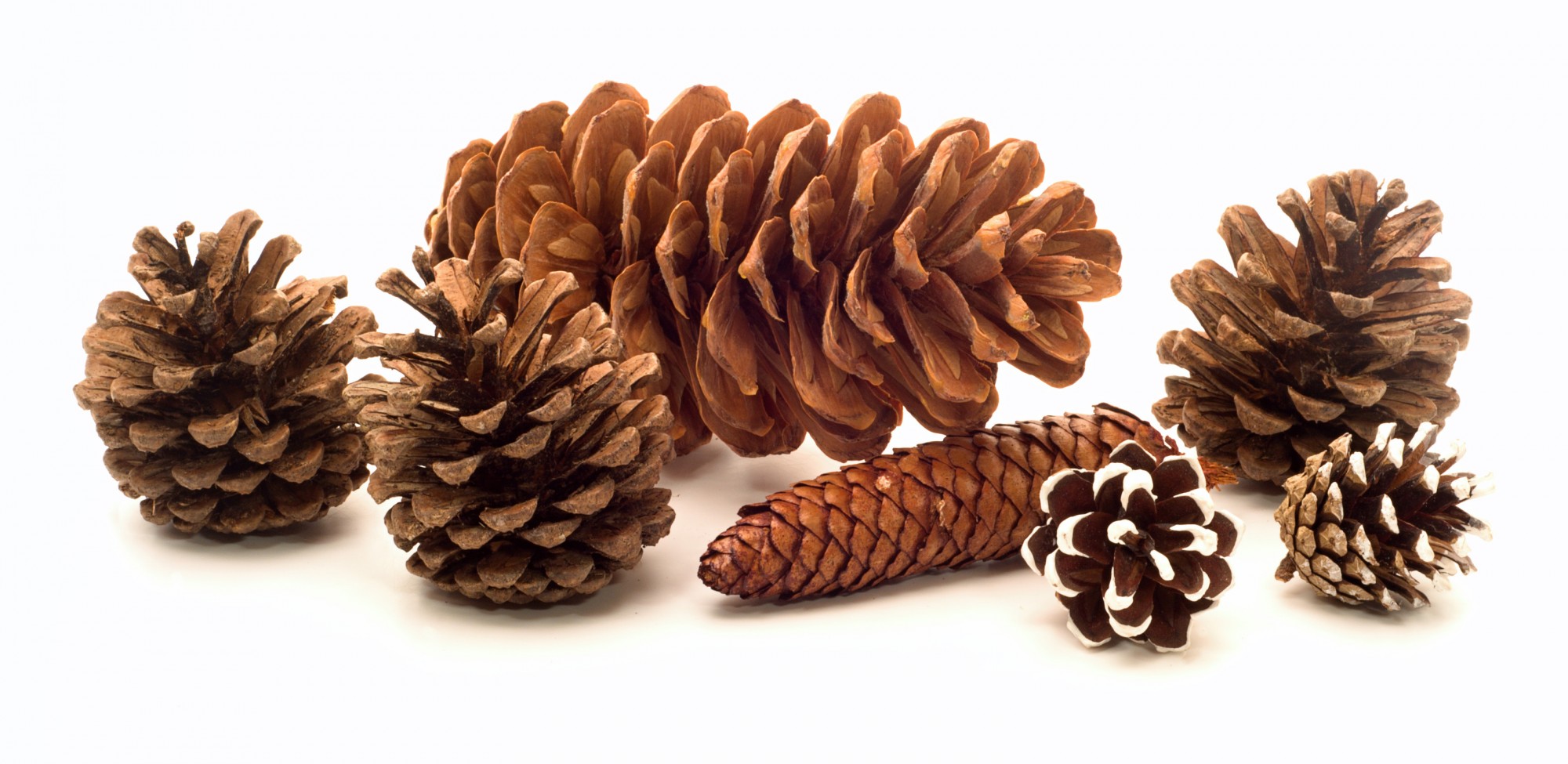
We kick them out of our way, we run over them with our cars, and we trip over them. Occasionally, we appreciate their elegance, and decorate our homes with them. Mostly we just ignore them.
Big or small, on the tree, or in your driveway, the ubiquitous Tahoe pine cones are just trying to do their job. And that is to safeguard the seeds they carry until conditions are right for growth. Then the pine cones open their scales, releasing the seeds to germinate.
All pine trees are botanically classified as gymnosperms because they do not flower or fruit. Instead, they grow cones to contain their seeds. The word, gymnosperm, is derived from Greek and literally means naked seed.
Every pine cone you see is f...
14
The Lake Up There
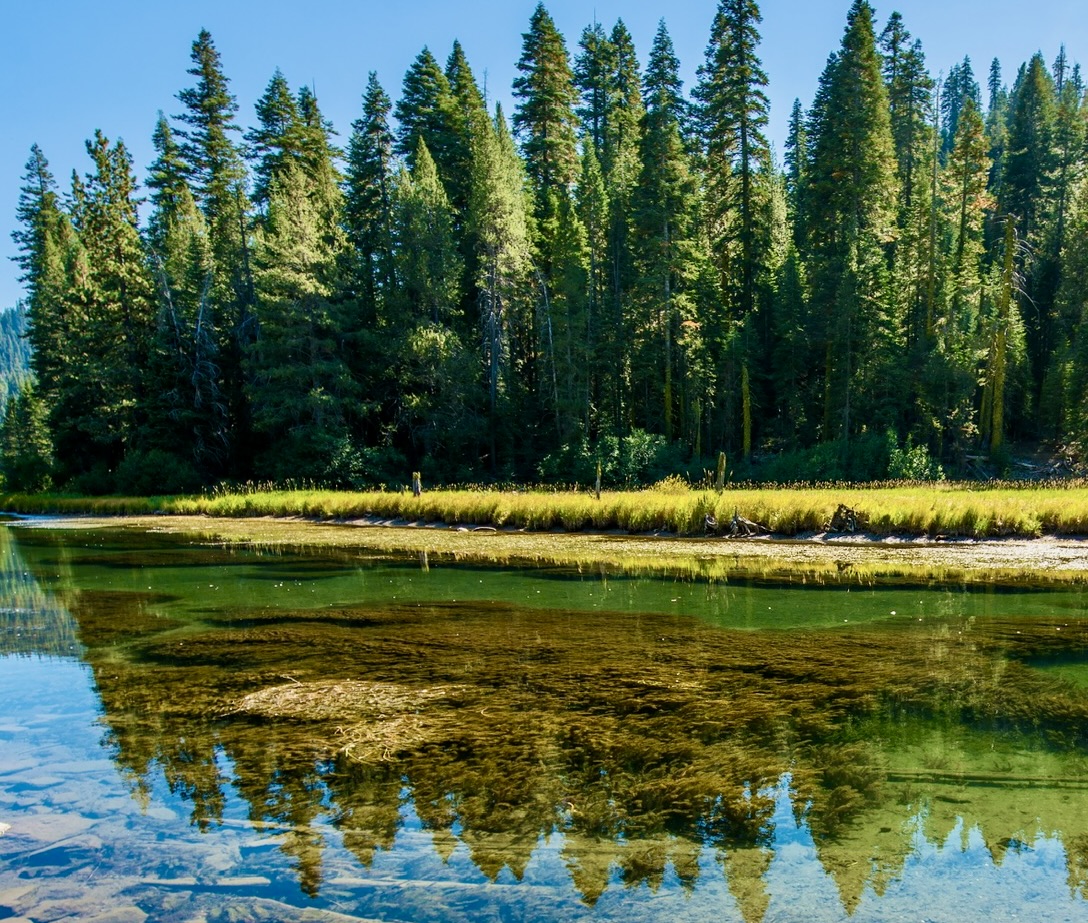
Researching the history of Marlette Lake leads to many articles and write-ups about the flume and pipeline system that was built to service Virginia City and the Comstock Lode.
Most of the online information is about the ingenuity of the engineers, the hard work and efficiency of the men, equipped with only mules and shovels, who built the water system, and the staggering amounts of water transported down mountains, across valleys, and up hills to supply the mines, the miners and their families.
Marlette Lake, named after Nevada's first Surveyor General, Seneca H. Marlette, was originally a glaciated basin, which naturally drained into Lake Tahoe. When the lake was dammed as part of the water project for the Comstock Lode, and its natural drainage wa...
14
Hidden Delight
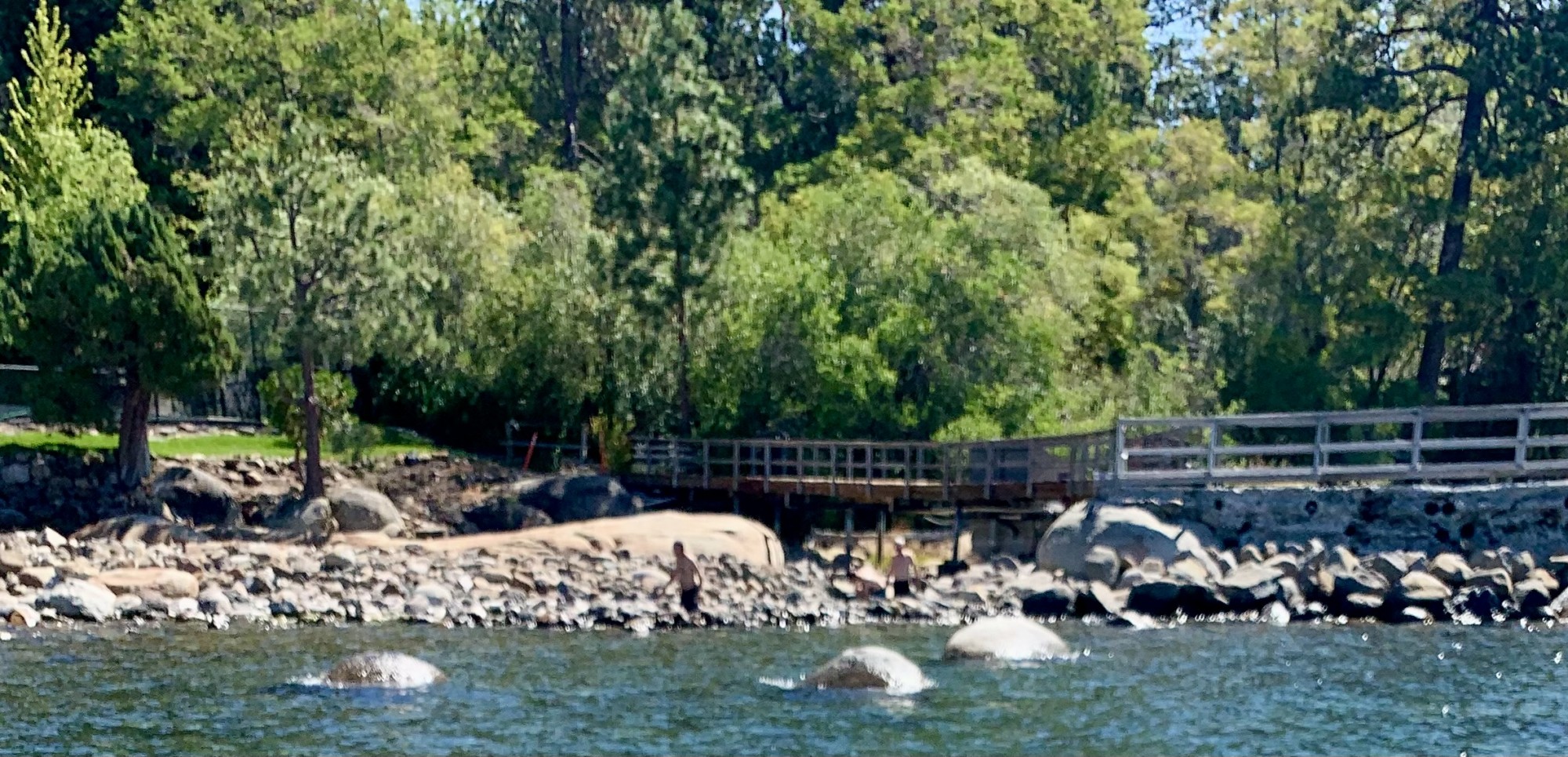
One unique feature on Lake Tahoe's north shore is definitely under-used, mostly because it is off the beaten track for tourists and locals alike. The pools of the Lake's one and only waterside hot springs sit empty much of the time.
The source of the hot springs bubbles up on the Brockway Springs Lakefront Resort's property and there is no public access to this gated community of privately owned condominiums.
However, the hot springs' outflow trickles down into natural rock walled pools sitting on the edge of the Lake. These pools, located below Tahoe's high water mark, are always waiting for the serious soakers arriving on SUPs, or in kayaks, or motor boats.
It is less than a mile's paddle from the King's Beach boat ramp to the soaking pools. H...
14
The Boundary
The story goes that a tourist, exploring the Tahoe Basin, asked a local how to drive down the Lake. The local replied that the drive had to be around the Lake. Hearing that, the tourist pointed to a map with a black line running north-south, just east of the middle of Lake Tahoe. That was the road the tourist wanted to access and drive.
And that particular black line, a border, has caused confusion and trouble ever since two states began to share it. What is more, it may have been John C. Fremont's original 1844 mapping errors that started the whole thing.
Early surveying equipment was scarce, and not very effective, leading to boundary line errors that ranged from miles to only yards. Measuring longitude requires the precise time. A one-second error in time equates to a quarter-mile mistake in distance. Having a precise time-piece in the 1800s was not exactly the norm, especially if one was trekking through snowy mountains, or acro...
14
A Simple Solution
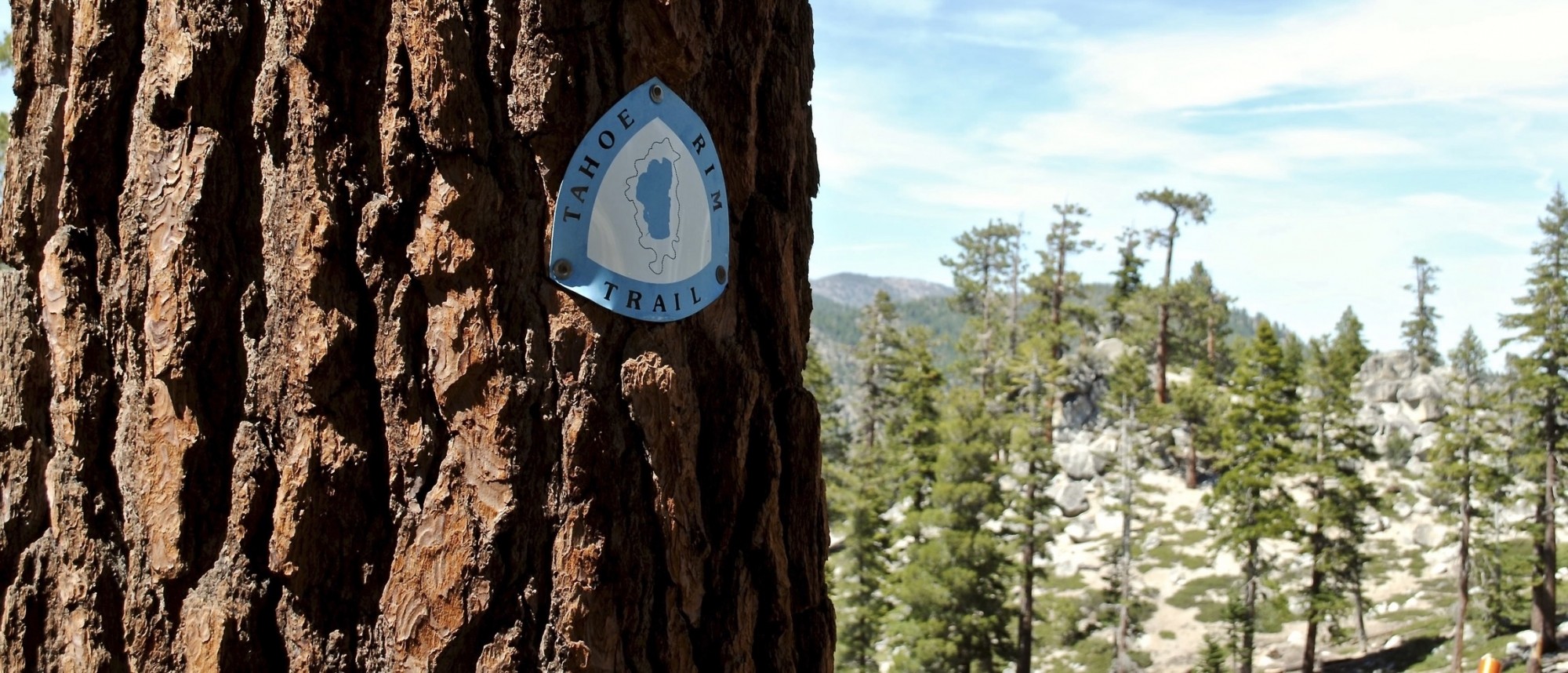
Most people who hear the expression tree hugger picture stubborn, barefoot hippies either chaining themselves to trees, or setting up camp high in the branches, as their way of fighting lumbering. But, the term goes back much farther in time.
In 1730, the original tree huggers were villagers belonging to the Bishnois branch of Hinduism. Following a village woman's cry of "A chopped head is cheaper than a felled tree", 363 people, trying to protect their trees, had their heads quickly removed from their bodies by the swords of soldiers under orders from a local...
What's Your Home Worth?
Check current market values for your home and view profiles of potential buyers.
