
Posts from September 2024
Subscribe and receive email notifications of new blog posts.
 RSS Feed
18
Tree Whisperers
Remarkable research by determined scientists and foresters has proven that trees are more than sticks of wood just waiting to be cut down to build houses. Smart people have been working hard to truly understand trees; how they grow, how they interact with each other, how a forest works, and how humans can help.
Dr. Suzanne Simard unearthed knowledge of the underground fungal network that allows trees to interact and communicate. She also discovered hub trees. She calls them the Mother Trees of a forest. These biggest, tallest trees are highly connected with other trees, and have an important role in the flow of information and resources in a forest. They even recognize their kin; seedlings that are related to them. Dr. Simard's fascinating new book Finding The Mother Tree details her methods and her discoveries. The book is supported by the website The Mother Tree P...
18
A Skiing Tale
Skiing has been a popular pastime for millennia, as proven by the discovery in Russia of eight-thousand year old wooden skis, along with rock carvings, and paintings of hunters on skis. Skis and skiing have changed a bit, evolving from a necessity into a leisure time activity
The word ski comes from the old Norse word 'skiõ' which meant split piece of wood or firewood, and there have been almost as many different kinds of skis and techniques as there have been years of use.
Asymmetrical skis, first described over 500 years ago, were used in northern Finland and Sweden, even up until the 1930s. On one foot, skiers wore a long straight non-arching ski for sliding, while the other foot was outfitted with a shorter ski for kicking. The bottom of the short ski was, sometimes, covered with an animal skin to aid in the kicking, while the bottom of the longer ski was treated with slippery animal fat to help with gliding.
B...
18
An Elegant Ship
In 1872, the side-wheeler Governor Stanford, ushered in Lake Tahoe's golden age of steamships. Based in Tahoe city, the ship carried about 125 passengers on its eight hour trip around the Lake.
Three years later, the Governor Stanford was joined by the steamship Niagara, 83 feet of faster reliability.
Not long afterwards, the timber baron, D. L. Bliss, doubled Tahoe's fleet of steamships by adding the Meteor, capable of speeds up to 30 mph, and her sister ship the Emerald II. However, his best was yet to come.
Mr. Bliss ordered a ship to be designed and built by Union Iron Works in San Francisco. The hull was made in sections, then disassembled, packed for transport, and shipped by rail to Carson City. All 154 tons of boat pieces were then loaded onto wagons, and laboriously pulled by mule and horse teams up and over Spooner Summit to Glenbrook. There, the S.S. Tahoe was rea...
18
A Remarkable Flower
Orchids comprise the second largest plant family on the planet, and are known for their unique flower shapes and structures. Though largely a tropical group, adaptive orchid species can be found in throughout the Tahoe region.
Unlike their tropical cousins, all of Tahoe's species have small flowers. The most conspicuous of these is the small white flowered rein orchid, also called the bog orchid.
The Lake Tahoe Basin is renowned for its beauty, crystal-clear lake waters, and diverse ecological landscape. While most tourists visit for the spectacular views and the many recreational opportunities, this region also attracts both beginning and experienced wild flower enthusiasts looking to find a unique or elusive species
Orchids make up earth's second largest plant family. Because of the high elevation, and the tough winters of the Lake Tahoe Basin, orchids found here are especially adapted to survive challenging condi...
14
Just Common Pine Cones
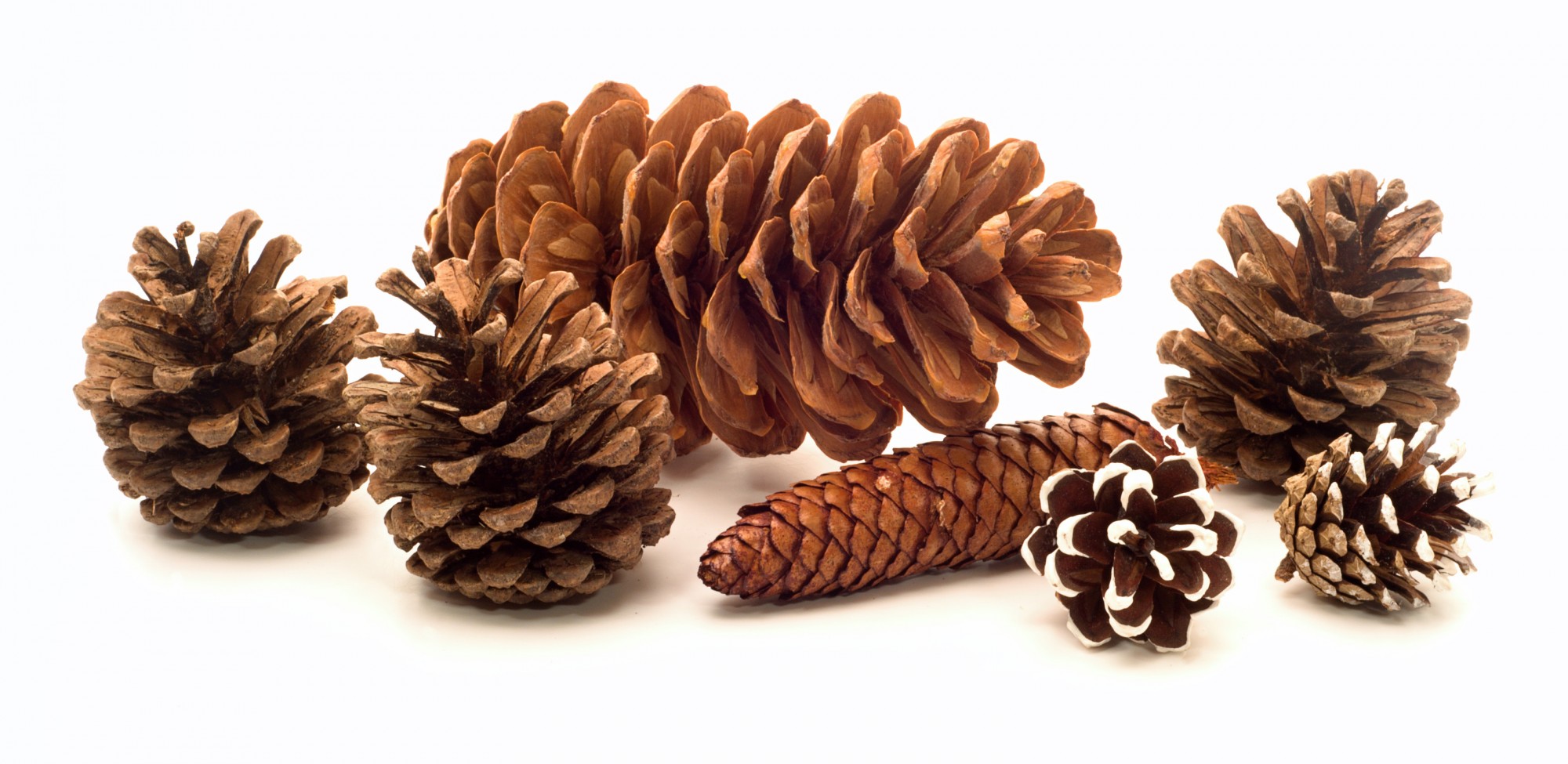
We kick them out of our way, we run over them with our cars, and we trip over them. Occasionally, we appreciate their elegance, and decorate our homes with them. Mostly we just ignore them.
Big or small, on the tree, or in your driveway, the ubiquitous Tahoe pine cones are just trying to do their job. And that is to safeguard the seeds they carry until conditions are right for growth. Then the pine cones open their scales, releasing the seeds to germinate.
All pine trees are botanically classified as gymnosperms because they do not flower or fruit. Instead, they grow cones to contain their seeds. The word, gymnosperm, is derived from Greek and literally means naked seed.
Every pine cone you see is f...
What's Your Home Worth?
Check current market values for your home and view profiles of potential buyers.
